

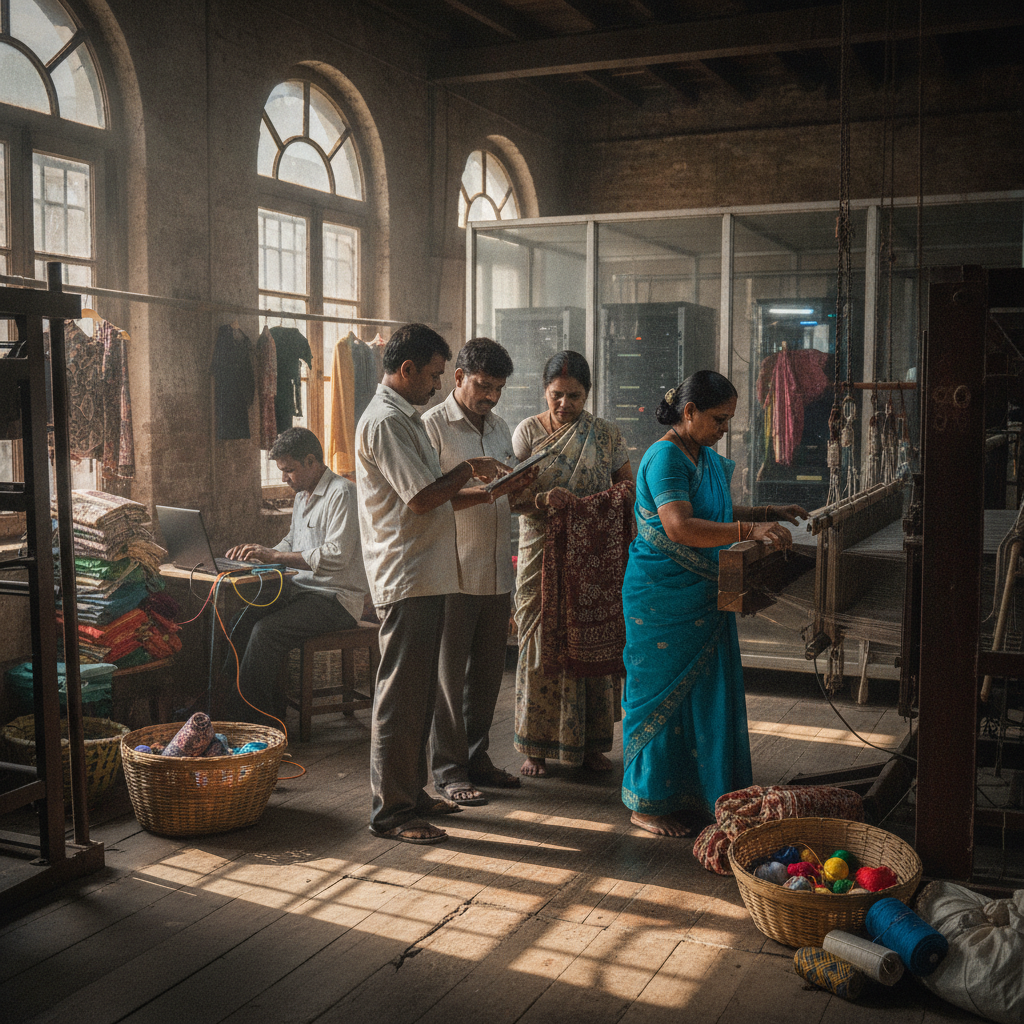
SAP S/4HANA for Retail vs. Fashion: Choosing & Scaling the Right Landscape
 infrabeat
•
June 22, 2026
•
4 min read
infrabeat
•
June 22, 2026
•
4 min read
SAP S/4HANA for Retail vs. Fashion: Choosing & Scaling the Right Landscape
Related read: SAP for Retail & Fashion: Challenges, S/4HANA Capabilities & Use Cases
India’s evolving retail and fashion landscape demands fast, agile, and data-driven strategies. Adopting SAP for Retail and Fashion offers a holistic digital foundation to drive innovation, efficiency, and future growth. By choosing SAP S/4HANA and integrated SAP cloud platforms, enterprises modernize critical operations and unlock a resilient competitive edge.
Key Capabilities of SAP for Retail and Fashion
Retailers and fashion brands need robust solutions to handle complex merchandise, customer expectations, and supply chains. SAP for Retail and Fashion brings together advanced digital tools and industry-specific features:
- Centralized master data management supporting products, pricing, and customers
- Unified ERP systems for finance, supply chain, and omnichannel commerce
- Advanced inventory management to reduce overstock and stockouts
- Streamlined procurement with SAP Ariba and SAP FMS integration
- AI-powered analytics and dashboards for real-time insights
- Flexible cloud deployment options, including SAP S/4HANA on GCP, AWS, or Azure
This integrated approach ensures mid-sized to large enterprises achieve consistent processes and customer engagement across every channel.
SAP S/4HANA Retail vs. SAP S/4HANA Fashion: Understanding the Difference
Enterprises evaluating SAP for Retail and Fashion often compare SAP S/4HANA Retail with SAP S/4HANA for Fashion and Vertical Business. Each solution addresses unique operational needs:
- S/4HANA Retail focuses on merchandise management, store operations, and supply chain, suitable for multisite retailers.
- SAP S/4HANA Fashion and Vertical Business is tailored for apparel, footwear, and garment industry leaders. It supports season-based assortment planning and vertical manufacturing along with retail capabilities.
- Both solutions use a shared ERP 2602 data model but differ in segmentation and inventory management approaches.
Choosing the right platform depends on your organization’s business model, supply chain complexity, and global footprint.
Strategic Benefits of Leveraging SAP for Fashion and Retail Brands
Implementing SAP solutions creates measurable advantages for retail and fashion organizations:
- Accelerated time-to-market for new products and collections
- Dynamic inventory visibility and synchronized procurement processes
- Agile response to fashion trends, customer demand, and supply disruptions
- Automated reporting using analytics, SAP cloud, and intelligent automation like RPA/iRPA
- Improved HR functions with SAP SuccessFactors and digital HR integrations
- Reduced IT costs and enhanced scalability via SAP BTP extensions
These benefits help organizations seamlessly adapt to industry shifts while building a customer-centric operation.
Modernizing Operations with SAP S/4HANA Cloud and SAP BTP
The shift to cloud enables modern fashion and retail businesses to:
- Simplify landscape management and integrate third-party apps using SAP BTP
- Enable rapid scaling for new markets or business segments
- Reduce downtime and operational risks through continuous SAP AMS support
- Leverage advanced analytics, predictive AI, and data engineering for deep intelligence
Modern SAP deployments with partners like InfraBeat ensure minimal disruption, high data security, and maximum business continuity.
Vertical Business Excellence with SAP S/4HANA and Infrabeat
For brands manufacturing, distributing, and selling through multiple channels, vertical business models powered by S/4HANA deliver strategic agility. Key enablers include:
- Integrated financials, sales, procurement, and production
- Unified master data, optimizing allocation and replenishment
- Flexible segmentation tailored to the complexities of the garment industry
Innovative consultancies like Infrabeat help companies maximize these solutions by focusing on industry requirements and rapid migration to S/4HANA or hybrid SAP cloud models.
Expert Insight: Choosing and Scaling the Right SAP Landscape
Determining your ideal architecture requires a holistic approach:
- Analyse current operational pain points and IT landscapes
- Evaluate SAP S/4HANA Retail versus S/4HANA Fashion segmentation, seasonality, and inventory control needs
- Plan for seamless SAP cloud integration across GCP, AWS, or Azure
- Incorporate analytics, automation (like RPA/iRPA), and ongoing SAP AMS from partners such as InfraBeat
Building future-ready digital capabilities involves deep alignment between business objectives and scalable SAP innovation.
Conclusion
SAP for Retail and Fashion equips Indian enterprises with advanced ERP, analytics, and cloud platforms to address industry challenges. Leveraging solutions like SAP S/4 hana retail, SAP S/4 hana for fashion and vertical business, and SAP BTP transforms inventory management, master data accuracy, and operational efficiency. Trusted partners such as InfraBeat offer end-to-end SAP consulting for smooth digital transformation, ensuring a faster, smoother path toward a digitally optimized retail and garment industry future. For tailored advice on SAP for Retail and Fashion implementation, connect with an InfraBeat SAP expert today.
Have a project in mind?
Let’s talk about how InfraBeat can help you turn data and SAP technology into real business outcomes.
Get in Touch