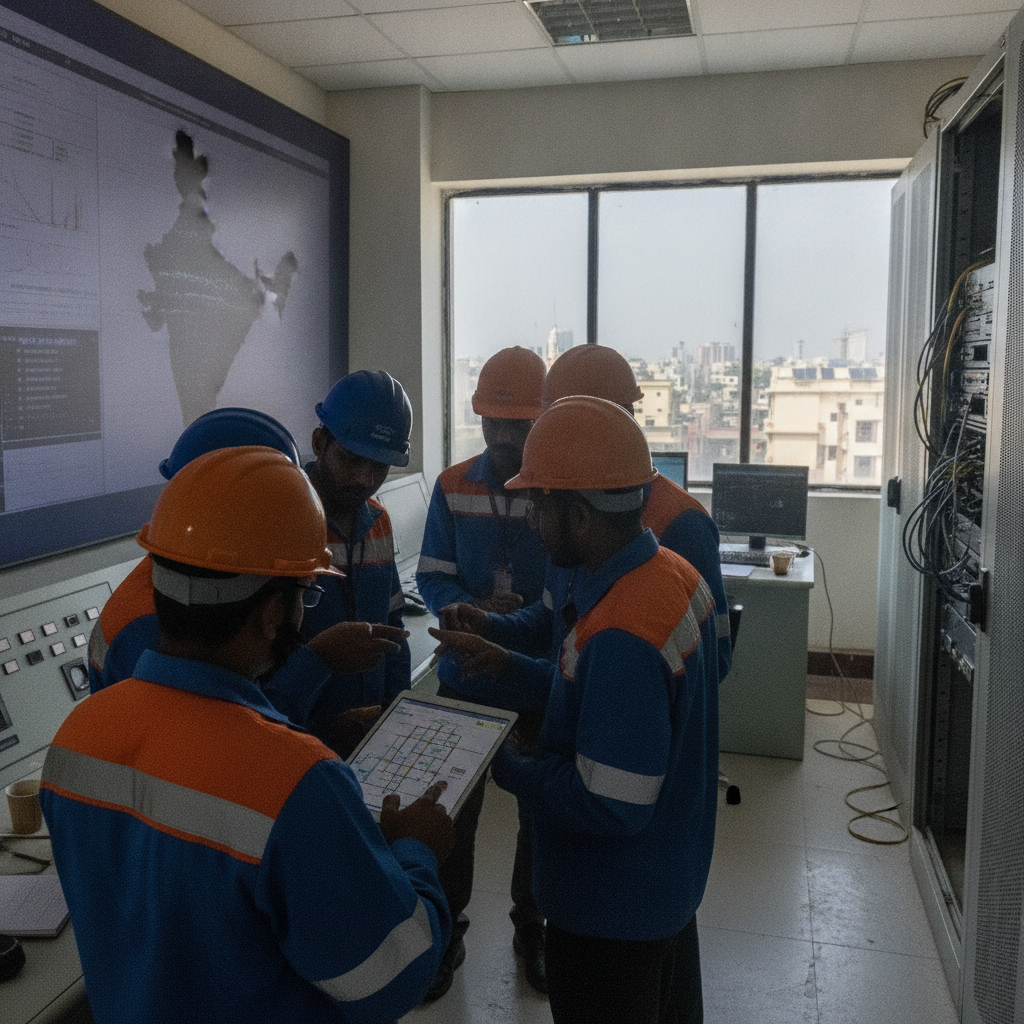


SAP Business Technology Platform (BTP)

SAP Business Technology Platform (BTP)

SAP BTP: The Foundation for Intelligent Enterprise Transformation

SAP Business Technology Platform (BTP) is the innovation backbone for organizations embracing digital transformation. As explained on InfraBeat’s SAP platform solutions page, BTP empowers enterprises to integrate data, automate processes, and connect SAP and non-SAP landscapes for greater agility. At InfraBeat, we help enterprises in India leverage BTP for seamless SAP S/4HANA cloud migrations, advanced analytics, and rapid business technology adaptability.

What Is SAP BTP?

SAP BTP is a unified innovation platform designed for cloud and hybrid environments. It brings together database and data management, analytics, application development, and integration capabilities, enabling enterprises to build, extend, and manage intelligent applications efficiently.

  • BTP provides a flexible cloud platform for deploying business applications across public cloud and hybrid architectures.
  • With deep integration to SAP ERP and S/4HANA Cloud, it supports real-time business operations and decision-making.
  • The platform includes Cloud Foundry for scalable containerized application deployment and SAP Basis services for robust system management.

Ultimately, SAP BTP serves as the middleware that ensures companies maintain business continuity while innovating faster across complex landscapes.

Key Components of SAP BTP

SAP BTP is structured around the five pillars that represent its core capabilities:

  • Application development and extension: Build new applications or extend existing SAP solutions with BTP development tools and cloud-native services.
  • Database and data management: Centralize data from SAP and non-SAP sources for unified access, powering real-time analytics and business intelligence.
  • Analytics: Advanced analytics offerings such as SAP Analytics Cloud enable actionable insights from vast business datasets.
  • Integration: Secure connectivity between SAP, third-party apps, and cloud systems with powerful middleware services.
  • Artificial intelligence and automation: Automate workflows through BTP application development tools, SAP iRPA, and machine learning components.

This multi-layered platform supports businesses looking to scale and modernize their technology stacks efficiently.

How InfraBeat Helps Enterprises Realize Value with SAP BTP

InfraBeat’s consultative approach ensures clients unlock the full value of SAP BTP:

  • Comprehensive BTP application development for tailored business needs
  • BTP security, governance, and compliance solutions to ensure data integrity and protection
  • Seamless integration with S/4HANA Cloud and existing SAP ERP deployments
  • Cloud adoption and infrastructure optimization across GCP, AWS, and Microsoft Azure
  • Ongoing managed services for BTP development, operations, and innovation cycles

Our deep SAP expertise, innovative methods, and understanding of Indian industry challenges provide clients with a competitive edge in digital transformation.

BTP Security and Compliance Essentials

Security and governance are critical for business technology strategies. SAP BTP incorporates advanced security mechanisms to protect sensitive data and ensure regulatory compliance:

  • User and identity management across all connected platforms and applications
  • Real-time monitoring through BTP Cockpit, giving visibility into operational health and risk factors
  • Continuous compliance with India’s enterprise requirements and industry standards

InfraBeat’s SAP BTP specialists guide organizations in implementing best practices for secure BTP operations.

Unlocking Business Value Through Agility and Innovation

SAP BTP accelerates business innovation and enhances agility with modular, scalable cloud platform services. Organizations leveraging BTP benefit from:

  • Faster time-to-value for new business models or services
  • Automated processes with Robotic Process Automation (RPA) and advanced analytics
  • Efficient data management ensures actionable reporting and dashboards for every business unit

This approach positions organizations to stay ahead in the competitive Indian market by enabling continuous improvement and streamlined technology upgrades.

Real-World BTP Adoption: Use Cases Across Industries

Businesses in automotive, retail, pharma, and public sector use SAP BTP to enable:

  • Integration of critical business systems for unified operations in manufacturing
  • Advanced analytics for food and beverage companies, delivering market insights on demand trends
  • Automated procurement and source-to-pay optimization leveraging SAP Ariba and InfraBeat’s smart procurement solutions
  • Cloud-based HR transformation through SAP SuccessFactors integration and BTP digital HR tools

BTP’s extensibility ensures every industry can innovate without overhauling their core architecture.

Conclusion

SAP BTP serves as the backbone for building the intelligent enterprise, allowing organizations to innovate rapidly while ensuring operational resilience. InfraBeat’s deep domain knowledge in SAP and BTP application development empowers Indian enterprises to create seamless integrations and gain actionable insights. Ready to accelerate your digital transformation? Speak with an InfraBeat SAP specialist today.

SAP for Chemical Industry

SAP for Chemical Industry

Driving Innovation in India’s Chemical Sector with SAP Solutions

The evolving landscape of India’s chemical manufacturing sector demands agile, integrated platforms for sustainable and efficient growth. Leveraging SAP for the Chemical Industry equips enterprises with real-time insights, robust compliance, and streamlined operations, helping organizations stay at the forefront of transformation.

Current Landscape and Challenges in the Chemical Industry

India’s chemical industry faces intense global competition, strict environmental mandates, and rising supply chain complexities. The ability to adapt quickly while maintaining consistent product quality and operational efficiency is now non-negotiable for market leaders.

  • Stringent regulations necessitating robust compliance tracking and transparency
  • High input cost volatility and procurement inefficiencies impacting margins
  • Need for visibility across the supply chain, from chemical plant operations to delivery
  • Requirement for agile responses to market demands and changing customer preferences

Meeting these challenges requires integrated technology platforms that foster agility and continuous innovation.

Strategic Value of SAP Solutions in Chemical Manufacturing

Modern SAP solutions provide chemical enterprises with unified digital platforms, enhancing productivity, control, and innovation. Using advanced SAP ERP, you gain:

  • Centralized data management for improved planning and decision-making
  • Comprehensive regulatory compliance features
  • Integrated supply chain and procurement via SAP Ariba-based systems
  • Optimized production with seamless SAP production planning functions

These capabilities lay the foundation for reliable, data-driven growth and agile operations across the chemical business lifecycle.

Enabling Agility and Innovation with SAP S/4HANA and BTP

SAP S/4HANA and SAP BTP empower chemical manufacturers to lead digital transformation. Key benefits for Indian enterprises include:

  • Real-time analytics and monitoring for cost, quality, and compliance factors
  • Flexible integration of IoT, AI, and advanced analytics with existing chemical plant technology
  • Faster adoption of global best practices with automated, intelligent workflows
  • Agile customization and seamless extension through SAP Business Technology Platform tools

Leveraging these platforms allows chemical engineering teams to accelerate product development, enhance risk management, and enable strategic differentiation.

SAP IBP: Transforming Supply Chain Dynamics for Chemicals

Integrated Business Planning (SAP IBP) offers powerful tools to predict demand, optimize inventories, and align production with market requirements.

  • Scenario-based forecasting to address shifting customer needs
  • Synchronization of sourcing, manufacturing, and delivery decisions
  • Integration with SAP ERP for end-to-end visibility and rapid reactions to supply disruptions
  • Advanced analytics enable smarter procurement, contract management, and sustainability initiatives

These features help chemical enterprises reduce risk, improve service levels, and minimize excess holding costs.

Seamless SAP Implementation and Cloud Migration for Indian Enterprises

Successful SAP implementation and migration are essential for long-term operational excellence. InfraBeat specializes in:

  • Fast, disruption-free SAP S/4HANA migrations tailored for chemical manufacturing
  • End-to-end RISE with SAP consulting for holistic process modernization
  • GCP, AWS, and Microsoft Azure-based cloud migration strategies
  • Comprehensive managed services for ongoing SAP operations and Application Management Services (AMS)

Transitioning to cloud-optimized SAP enterprise environments allows organizations to scale, innovate, and maintain business continuity in a volatile marketplace.

Optimizing Procurement and Source-to-Pay with SAP Ariba

Modern chemical companies require advanced procurement solutions for cost efficiency and transparency. SAP Ariba streamlines the source-to-pay lifecycle through:

  • Real-time supplier collaboration and contract management
  • Automated risk, compliance, and spend analysis for improved accountability
  • Enhanced negotiation and benchmarking abilities leveraging integrated analytics
  • Frictionless integration with other SAP solutions, optimizing chemical business outcomes

Embedding these processes into core SAP software architectures advances digital transformation and operational control.

Advancing Workforce Productivity with SAP SuccessFactors

Human capital is vital for growth in every chemical plant. SAP SuccessFactors provides comprehensive digital HR and talent management that supports:

  • Automated compensation and performance management
  • Compliance with regional labor regulations
  • Skill development and role-based upskilling initiatives
  • Data-driven employee insights for better workforce planning

Unified HR solutions empower senior leaders to build an engaged, safety-focused workforce ready for rapid transformation.

Data Engineering, Analytics, and Automation for Enterprise Efficiency

Harnessing data for predictive insights drives competitive advantage. With InfraBeat’s expertise in analytics and automation, chemical enterprises can:

  • Utilize advanced dashboards and custom reports through SAP Analytics Cloud
  • Deploy robotic process automation (RPA) for routine tasks and compliance management
  • Integrate data from production, supply chain, and financial systems for holistic visibility
  • Support continuous process optimisation through informed, real-time decision-making

Smart data engineering accelerates chemical business operations, reduces errors, and ensures greater business confidence.

Conclusion

The Indian chemical industry is poised for growth by embracing digital transformation driven by SAP solutions. From improving supply chain visibility and regulatory compliance to empowering workforce agility and data-backed innovation, SAP equips businesses to lead with resilience and efficiency. Partnering with InfraBeat, leading enterprises unlock full value from SAP software, achieving seamless integration, superior analytics, and sustainable growth. Contact InfraBeat to discuss how tailored SAP solutions can future-proof your chemical business.

SAP Ariba Modules

SAP Ariba Modules

Comprehensive Guide to SAP Ariba Modules and Their Role in Enterprise Transformation

Modern businesses seeking digital transformation increasingly turn to innovative procurement platforms like SAP Ariba. Enterprises in India and around the globe are leveraging SAP Ariba to gain visibility, agility, and control over the entire sourcing-to-pay process. In this SAP Ariba Modules Overview, you’ll discover how integrating SAP procurement and intelligent automation enables smarter spend management and seamless cloud adoption for ambitious organizations.

Understanding SAP Ariba: Strategic Overview and Capabilities

SAP Ariba empowers businesses to digitalize procurement, connecting buyers and suppliers across a dynamic cloud-based network. Aligned with core cloud ERP solutions and RISE with SAP, Ariba ensures collaboration, efficiency, and compliance throughout the procurement lifecycle. Its advanced architecture supports end-to-end spend management, unlocking strategic value beyond cost savings.

Key elements of this approach include:

  • Unified upstream and downstream procurement processes for holistic spend control
  • Integration with S/4HANA, Ariba cloud, and on-premises ERP platforms
  • Advanced analytics, automation, and category management for improved procurement decisions
  • Scalability and resilience through SAP Ariba’s flexible cloud architecture

The result is a comprehensive digital procurement solution that transforms procurement into a high-impact, cross-functional business driver.

SAP Ariba Architecture: Foundation for Intelligent Spend Management

A robust SAP Ariba architecture diagram illustrates how its suite of modules interacts to create a seamless procurement ecosystem. At the core is the SAP Ariba network, featuring deep integration capabilities through the SAP Cloud Integration Gateway that links Ariba with both SAP S/4HANA and legacy ERP environments.

  • Ariba cloud architecture promotes secure, scalable operations for direct procurement and indirect sourcing
  • Upstream modules manage strategic sourcing activities, contracts, and category management
  • Downstream modules control procurement execution, including purchase order management and invoices
  • Bi-directional SAP Ariba integration ensures real-time data flow across the cloud and enterprise landscape

Leveraging analytics, automation, and optimized workflow orchestration, SAP Ariba’s architecture delivers reliability and compliance with minimal business disruption.

Upstream Modules: Enhancing Strategic Sourcing and Supplier Collaboration

Upstream SAP Ariba modules focus on the early stages of the procurement lifecycle by aligning sourcing strategies, contract management, and supplier performance. These modules help enterprises develop robust, data-driven procurement frameworks through:

  • Ariba category management for advanced sourcing strategies, supplier segmentation, and spend analysis
  • Strategic sourcing solutions to create and manage competitive sourcing events
  • Ariba contracts for collaborative contract negotiation, authoring, and compliance tracking
  • Supplier risk and performance analytics for smarter selection and ongoing compliance

Tightly connected to the rest of the SAP procurement suite, upstream modules support data-driven decisions that minimize risk and maximize value across the supply chain.

Downstream Modules: Driving Efficient Procurement Execution

Downstream SAP Ariba modules transform procurement execution, integrating cloud-driven automation with best practices for transaction management. Key downstream capabilities include:

  • Smart procurement portals for request, approval, and requisition workflows
  • Direct procurement optimization, connecting with S/4HANA for materials, services, or direct goods
  • Purchase order automation for streamlined purchase order creation, approval, and tracking
  • Invoice and payment automation to improve cash flow and speed up reconciliation

Downstream modules create real-time visibility and control, enabling procurement agility while reducing errors through standardized business rules and intelligent validations.

SAP Ariba Integration: Connecting Cloud and ERP Ecosystems

Successful digital procurement transformation requires robust SAP Ariba integration across the cloud, ERP, and analytics environments. SAP Cloud Integration Gateway simplifies these connections, supporting seamless data exchange between Ariba cloud modules, S/4HANA, and legacy systems. Integrated processes align sourcing, procurement, and payment workflows for unified spend management.

  • Smooth ERP and Ariba integration accelerates end-to-end automation initiatives
  • Real-time data synchronization via the cloud enhances analytics and reporting functions
  • Rapid deployment options minimize operational risk and disruption
  • Ongoing alignment between procurement, finance, and business intelligence systems

Enterprises that leverage advanced integration approaches can expect greater efficiency, stronger compliance, and a more transparent procurement function overall.

Analytics, Automation, and Business Value in SAP Ariba

Today’s enterprises demand actionable insights, continuous process improvement, and rapid innovation. SAP Ariba delivers these outcomes by embedding analytics, artificial intelligence, and process automation at every stage of procurement. Organizations can harness these capabilities for:

  • Deep spend analytics revealing category, supplier, and compliance trends
  • Real-time reporting and dashboards supporting strategic, data-led decisions
  • Robotic process automation on SAP BTP for repetitive procurement tasks
  • Leveraging analytics outputs to enhance direct procurement and sourcing strategies

The intersection of analytics, automation, and intelligent cloud integration positions SAP Ariba at the forefront of digital procurement transformation.

SAP Ariba for Indian Enterprises: Key Benefits and Use Cases

Medium and large businesses in India use SAP Ariba modules to navigate complex procurement environments, mitigate risk, and meet regulatory obligations. Common organizational advantages include:

  • Unified spend management driving negotiation power and cost efficiency
  • Streamlined procurement operations with standardized purchase order processes
  • Faster contract cycles and improved supplier relationships
  • Enhanced compliance and transparency supporting business integrity and audit readiness

Integrated SAP Ariba solutions adapt to industry-specific requirements in automotive, manufacturing, retail, and other sectors, fueling agile and sustainable growth for Indian organizations.

Accessing Documentation and SAP Ariba PDF Resources

Comprehensive SAP Ariba documentation and solution overview PDFs are essential for planning and implementation. These resources provide actionable insights into architecture diagrams, module-level guidance, category management strategies, and cloud integration frameworks. Teams can refer to SAP Ariba PDF guides to accelerate project planning, optimize configurations, and build custom solutions that align with business objectives and compliance requirements.

Conclusion

SAP Ariba modules empower enterprises in India to transform procurement, optimize spend, and achieve true business agility across cloud and ERP ecosystems. By deploying an integrated, analytics-driven platform anchored in robust architecture and tailored to both upstream and downstream processes, organizations unlock strategic value, strengthen supplier collaboration, and accelerate innovation. If your business is ready to elevate procurement to a new level, connect with InfraBeat’s SAP consulting experts to explore how SAP Ariba solutions can drive measurable business outcomes with minimal disruption.

SAP for Construction & Real Estate Industry

SAP for Construction & Real Estate Industry

Transforming India’s Construction and Real Estate Sector with SAP

India’s construction industry faces increasing pressure to deliver projects efficiently while managing complex assets. Leveraging advanced solutions like SAP software enables construction companies and estate management firms to digitise their end-to-end workflows, from project planning to asset operation, driving significant performance gains. InfraBeat’s expert SAP implementation streamlines the life cycle of real estate investments, helping organizations control costs, boost agility, and ensure compliance.

Key Challenges in Construction and Real Estate Management

Managing construction and real estate projects involves a broad range of difficulties. Companies often contend with disconnected data, inefficient workflows, and increasing regulatory complexity.

  • Fragmented systems make tracking assets and project progress cumbersome
  • Inefficient communication reduces project visibility and slows decision-making
  • Manual processes hinder lease management accuracy, affecting profitability
  • Lack of integration with S 4HANA or other modern SAP intelligent technologies limits scalability

Modern property management software can resolve these issues, allowing for real-time collaboration and advanced analytics.

Core SAP Solutions for the Construction Industry

InfraBeat offers comprehensive SAP solutions designed to address sector-specific requirements across construction and real estate operations.

  • SAP S 4HANA powers unified data across projects, enabling a streamlined approach to project life cycles
  • The BIM-integrated SAP intelligent suite fosters digital construction planning and asset tracking
  • SAP Business Technology Platform (SAP BTP) delivers automation and integration, supporting IoT and advanced analytics
  • SAP REFX and Re fx modules simplify lease and estate management, strengthening compliance and reporting

These capabilities promote transparency for construction companies and simplify coordination among stakeholders, minimizing operational risk.

Enhancing Asset and Lease Management with SAP REFX

SAP REFX and Re fx empower construction and estate management firms to manage assets, leases, and contracts with unmatched efficiency.

  • Streamlined lease management ensures timely renewals, accurate billing, and effective compliance oversight
  • Centralised tracking of physical assets facilitates proactive maintenance and life cycle management
  • Integration with core cloud services supports real-time updates and auditability
  • Comprehensive reporting tools deliver actionable insights for capital planning and asset utilisation

These features lead to reduced administrative overheads and empower data-driven decision-making.

Benefits of SAP-Driven Digitalisation for Real Estate and Construction

Implementing SAP for construction and real estate accelerates digital transformation, delivering strategic advantages:

  • Improved coordination between SAP builders, site managers, and estate management teams
  • Consistent compliance with ever-evolving industry and government regulations
  • Enhanced transparency and control over asset and project life cycles
  • Automated workflows free teams from repetitive tasks, increasing productivity
  • Real-time visibility into performance, occupancy, cost, and asset health using analytics

For leaders in the construction industry, deploying a property management software stack anchored by SAP S 4HANA means better project delivery and long-term growth.

Accelerating Transformation with InfraBeat and SAP

InfraBeat’s expertise in SAP and cloud technology tailors digital tools for the specific needs of construction companies in India.

  • End-to-end SAP S 4HANA migration and customization to fit business goals
  • Integration of BIM data and IoT sensors for advanced analytics and predictive maintenance
  • Industry-compliant SAP application management services for seamless operations
  • Implementation of SAP SuccessFactors ensures efficient digital HR processes for on-site and remote employees
  • Automation via Robotic Process Automation and smart procurement through SAP Ariba reduce costs and eliminate inefficiencies

This holistic approach helps organizations in India’s construction and real estate sector optimise their operations and remain agile in a rapidly changing environment.

Maximising Outcomes Across the Asset Life Cycle

From acquisition to disposal, managing the entire asset life cycle is vital for profitability and risk management. SAP software streamlines this process across all project stages.

  • Integrated modules track financials, documentation, and maintenance for every asset
  • Advanced forecasting tools support planning and proactive response to market shifts
  • Automated alerts signal upcoming lease renewals and maintenance deadlines

Estate management teams benefit from a unified view, ensuring assets remain productive and compliant throughout their lifespan.

Conclusion

InfraBeat’s tailored SAP solutions empower India’s construction and real estate industry to digitally transform asset, lease, and project management. With end-to-end automation, integrated analytics, and advanced property management software, construction companies and estate management professionals can confidently drive efficiency and achieve sustainable growth. To learn how you can accelerate your digital journey, discover InfraBeat’s SAP services and connect with our experts.

SAP Ariba Overview

SAP Ariba Overview

Simplifying Procurement with SAP Ariba in Modern Enterprises

Enterprises transitioning to digital procurement often start by exploring robust SAP solutions that centralize and automate procurement activities. SAP Ariba stands out by transforming the entire source-to-pay ecosystem, integrating seamlessly with platforms like S 4hana and leveraging cloud capabilities to drive efficiency and collaboration among buyers and suppliers. As businesses in India focus on innovation, agility, and compliance, SAP Ariba’s solutions resonate strongly for delivering impactful results.

Understanding SAP Ariba: Core Purpose and Scope

SAP Ariba is a comprehensive cloud-based procurement platform that redefines how organizations manage spend, supplier relationships, and contract lifecycles. Its principal goal is to connect buyers with an extensive global Ariba network, optimizing vendor management while automating sourcing, purchasing, and payment processes. Integration with existing systems such as S 4hana and Sap cloud delivers real-time insights and controls essential for compliance-driven, high-growth industries.

  • Enables end-to-end digital procurement and supplier management
  • Improves agility with centralised spend analysis and workflow automation
  • Connects companies to the global Ariba supplier base
  • Delivers collaborative sourcing, guided buying, and contract management tools
  • Enables seamless integration with other SAP modules for deeper analytics

Through this holistic approach, organizations enhance operational visibility and minimize manual intervention in procurement operations.

Key Modules and Features of SAP Ariba

SAP Ariba streamlines all aspects of procurement through an array of intuitive modules. Each component aligns with digital transformation objectives, offering tailored capabilities for enterprises of various sizes.

  • Ariba Procurement: Automates purchasing, catalog management, and approval workflows.
  • Guided Buying: Simplifies requisition processes with user-friendly interfaces, making it easy for employees to buy from preferred suppliers.
  • Ariba Supplier Management: Consolidates supplier data, performance, onboarding, and risk assessments.
  • Ariba Contract Management: Digitizes contract creation, negotiation, renewal, and compliance tracking.
  • Spend Analysis: Provides dashboards and reports for multi-dimensional spend visibility.

The advanced analytics tools integrated with Ariba offer actionable insights, while the Ariba cloud integration gateway streamlines synchronization with S 4hana, SAP Fieldglass, and other third-party solutions.

How SAP Ariba Works: Workflow and Integration in Action

SAP Ariba utilizes its cloud-native architecture to centralize and secure all procurement transactions. The following workflow illustrates the typical process for an organization:

  1. An employee submits a purchase request via the guided buying interface on the Ariba portal.
  2. The request is auto-routed for approval by procurement managers based on assigned thresholds and business rules.
  3. Once approved, purchase orders are generated and dispatched through SAP integration with the Ariba network to suppliers.
  4. Suppliers receive and acknowledge POs, ensuring transparency and traceability for both parties.
  5. Goods or services are delivered, and invoices are routed back via Ariba integration for reconciliation and payment, often leveraging S 4hana’s back-office automation.
  • All supplier performance and procurement data are updated in real time within the portal.
  • The Ariba cloud integration gateway enables automated connectivity, reducing IT overhead.
  • Businesses can connect external applications or integrate SAP Fieldglass for end-to-end vendor and workforce management.

Such robust automation strengthens compliance and reduces cycle times for procurement teams.

Benefits of SAP Ariba for Indian Enterprises

Successful Ariba implementation in Indian enterprises has proven especially valuable as organizations scale and transform. Core benefits include:

  • Rapid supplier onboarding and connection to the Ariba supplier ecosystem
  • Enhanced process control with centralized, policy-aligned procurement
  • Reduction of manual errors and increased operational efficiency
  • Superior visibility across spend categories and supplier performance
  • Simplified integration with ERP systems such as S 4hana and Sap cloud

Industries ranging from manufacturing to pharmaceuticals achieve greater savings, mitigate procurement risks, and foster long-term supplier partnerships leveraging these advantages.

Integration and Implementation: What to Expect

Effective SAP Ariba integration is central to maximizing its value. At InfraBeat, organizations benefit from:

  • Expert-driven Ariba implementation tailored to unique procurement landscapes
  • Automated connections to existing SAP S 4hana instances via Ariba cloud integration gateway
  • Custom workflows designed for compliance and efficiency
  • Comprehensive training on the Ariba portal, guided buying, and analytics tools
  • End-to-end support for integration with SAP Fieldglass or external procurement solutions

This consultative approach minimizes disruption and accelerates user adoption, ensuring that enterprises gain full value from their procurement investments.

Industry Use Cases and Real-World Impact

Across sectors, organizations modernize their procurement by embracing SAP Ariba. Notable use cases include:

  • Manufacturers standardizing their supply chain through seamless Ariba integration and contract automation
  • Pharmaceutical businesses ensuring audit-ready processes with S 4hana and Ariba network connectivity
  • Retailers gaining flexibility in sourcing and payment options via guided buying and spend analytics

These examples demonstrate how rapid adoption of SAP Ariba technology translates into lower costs, reduced procurement cycles, and increased transparency.

Conclusion

SAP Ariba has become an essential enabler for modern businesses seeking to streamline procurement, integrate with platforms like S 4hana and SAP Fieldglass, and drive success on the cloud. Its extensive Ariba network, guided buying experiences, and deep integration capabilities have made it a preferred choice for Indian enterprises aiming for efficiency, compliance, and sustainable value. Discover how InfraBeat’s SAP expertise can further accelerate your digital procurement journey and unlock operational advantages.

SAP for Retail & Fashion Industry

SAP for Retail & Fashion Industry

Transforming Retail and Fashion Businesses with SAP Solutions

India’s evolving retail and fashion landscape demands fast, agile, and data-driven strategies. Adopting SAP for Retail and Fashion offers a holistic digital foundation to drive innovation, efficiency, and future growth. By choosing SAP S/4HANA and integrated SAP cloud platforms, enterprises modernize critical operations and unlock a resilient competitive edge.

Key Capabilities of SAP for Retail and Fashion

Retailers and fashion brands need robust solutions to handle complex merchandise, customer expectations, and supply chains. SAP for Retail and Fashion brings together advanced digital tools and industry-specific features:

  • Centralized master data management supporting products, pricing, and customers
  • Unified ERP systems for finance, supply chain, and omnichannel commerce
  • Advanced inventory management to reduce overstock and stockouts
  • Streamlined procurement with SAP Ariba and SAP FMS integration
  • AI-powered analytics and dashboards for real-time insights
  • Flexible cloud deployment options, including SAP S/4HANA on GCP, AWS, or Azure

This integrated approach ensures mid-sized to large enterprises achieve consistent processes and customer engagement across every channel.

SAP S/4HANA Retail vs. SAP S/4HANA Fashion: Understanding the Difference

Enterprises evaluating SAP for Retail and Fashion often compare SAP S/4HANA Retail with SAP S/4HANA for Fashion and Vertical Business. Each solution addresses unique operational needs:

  • S/4HANA Retail focuses on merchandise management, store operations, and supply chain, suitable for multisite retailers.
  • SAP S/4HANA Fashion and Vertical Business is tailored for apparel, footwear, and garment industry leaders. It supports season-based assortment planning and vertical manufacturing along with retail capabilities.
  • Both solutions use a shared ERP 2602 data model but differ in segmentation and inventory management approaches.

Choosing the right platform depends on your organization’s business model, supply chain complexity, and global footprint.

Strategic Benefits of Leveraging SAP for Fashion and Retail Brands

Implementing SAP solutions creates measurable advantages for retail and fashion organizations:

  • Accelerated time-to-market for new products and collections
  • Dynamic inventory visibility and synchronized procurement processes
  • Agile response to fashion trends, customer demand, and supply disruptions
  • Automated reporting using analytics, SAP cloud, and intelligent automation like RPA/iRPA
  • Improved HR functions with SAP SuccessFactors and digital HR integrations
  • Reduced IT costs and enhanced scalability via SAP BTP extensions

These benefits help organizations seamlessly adapt to industry shifts while building a customer-centric operation.

Modernizing Operations with SAP S/4HANA Cloud and SAP BTP

The shift to cloud enables modern fashion and retail businesses to:

  • Simplify landscape management and integrate third-party apps using SAP BTP
  • Enable rapid scaling for new markets or business segments
  • Reduce downtime and operational risks through continuous SAP AMS support
  • Leverage advanced analytics, predictive AI, and data engineering for deep intelligence

Modern SAP deployments with partners like InfraBeat ensure minimal disruption, high data security, and maximum business continuity.

Vertical Business Excellence with SAP S/4HANA and Applexus

For brands manufacturing, distributing, and selling through multiple channels, vertical business models powered by S/4HANA deliver strategic agility. Key enablers include:

  • Integrated financials, sales, procurement, and production
  • Unified master data, optimizing allocation and replenishment
  • Flexible segmentation tailored to the complexities of the garment industry

Innovative consultancies like Applexus help companies maximize these solutions by focusing on industry requirements and rapid migration to S/4HANA or hybrid SAP cloud models.

Expert Insight: Choosing and Scaling the Right SAP Landscape

Determining your ideal architecture requires a holistic approach:

  • Analyse current operational pain points and IT landscapes
  • Evaluate SAP S/4HANA Retail versus S/4HANA Fashion segmentation, seasonality, and inventory control needs
  • Plan for seamless SAP cloud integration across GCP, AWS, or Azure
  • Incorporate analytics, automation (like RPA/iRPA), and ongoing SAP AMS from partners such as InfraBeat

Building future-ready digital capabilities involves deep alignment between business objectives and scalable SAP innovation.

Conclusion

SAP for Retail and Fashion equips Indian enterprises with advanced ERP, analytics, and cloud platforms to address industry challenges. Leveraging solutions like SAP S/4 hana retail, SAP S/4 hana for fashion and vertical business, and SAP BTP transforms inventory management, master data accuracy, and operational efficiency. Trusted partners such as InfraBeat offer end-to-end SAP consulting for smooth digital transformation, ensuring a faster, smoother path toward a digitally optimized retail and garment industry future. For tailored advice on SAP for Retail and Fashion implementation, connect with an InfraBeat SAP expert today.

SAP Migration Cockpit

SAP Migration Cockpit

Unlocking Data Migration Success with SAP S/4HANA Migration Cockpit

The transition to SAP S/4HANA presents both opportunities and challenges for enterprises focused on digital transformation. Leveraging reliable migration solutions is critical for accuracy, compliance, and business agility. The SAP S/4HANA Migration Cockpit simplifies the migration process, helping organizations adopt advanced SAP solutions with minimum disruption.

Understanding the Role of SAP S/4HANA Migration Cockpit

The SAP S/4HANA Migration Cockpit serves as a central migration tool designed to facilitate a controlled approach to migrating data, specifically tailored to SAP S/4HANA environments. This robust framework aligns with industry requirements across automotive, manufacturing, pharmaceuticals, and public sector sectors. Migrating data accurately supports operational excellence, making the Cockpit indispensable for any SAP migration project in India.

How Data Migration Moves Forward in SAP S/4HANA

The migration process relies on a structured strategy to ensure integrity and speed:

  • Identifying relevant migration objects aligned with business scenarios and SAP data landscapes
  • Selecting the right migration approach, be it direct transfer or using staging tables
  • Leveraging the SAP Fiori app for guided steps and transparent status tracking
  • Ensuring compatibility with SAP EWM, procurement, and analytics for downstream operations
  • Streamlining the journey with automation and pre-defined templates to minimize manual handling

Every migration project customizes its approach to meet specific business requirements while achieving regulatory and strategic objectives.

Key Features Driving Migration Success

The SAP S/4HANA Migration Cockpit offers distinct advantages for organizations dedicated to transformation and cloud migration initiatives. Its primary strengths include:

  • Support for multiple migration strategies, including direct transfer and staging tables
  • Predefined migration objects facilitating easy mapping of legacy data to SAP S/4HANA structures
  • Integration with SAP Fiori for a unified migration experience
  • Compliance tools that ensure SAP data adheres to standards across industries
  • Documentation aligned with best practices, enriched by resources from SAP Press

These features empower teams to tackle complex migration scenarios in highly regulated environments such as food and beverages or chemical sectors.

Staging Tables and Direct Transfer: Methods at a Glance

Enterprises can choose between staging table-based migration and direct transfer. Determining the right migration approach is a balance between data volume, complexity, and existing IT infrastructure.

  • Staging table methods are ideal for larger migration projects requiring thorough validation and data transformation before upload
  • Direct transfer is efficient for cloud migration projects where source and target reside within compatible SAP systems
  • The migration tool provides real-time error handling, reporting, and rollback features to safeguard business continuity

Both methods guarantee that critical SAP data remains consistent and compliant during the migration process.

Industry Use Cases: Maximizing Value from SAP S/4HANA Migration Cockpit

In manufacturing, SAP S/4HANA Migration Cockpit streamlines the importing of bill of materials and production data, reducing downtime and errors. For retailers and public enterprises, it ensures accurate pricing, vendor, and transaction data migration, underpinning smarter procurement and analytics workflows. The Cockpit supports cloud migration, giving Indian organizations the agility to scale operations and stay resilient in dynamic markets.
As part of a broader SAP cloud migration strategy, the Cockpit simplifies compliance and sets the foundation for advanced analytics and process automation.

Best Practices for Effective Data Migration

To maximize the benefits of the migration project, organizations should:

  • Plan early and engage all business and IT stakeholders
  • Leverage the migration tool’s full capabilities, especially for critical staging table tasks
  • Align migration objects precisely with future business goals and systems
  • Optimize testing cycles to verify accuracy using SAP Fiori apps
  • Tap into SAP Press community insights for expert guidance

Following these best practices ensures that migrating data using SAP S/4HANA Migration Cockpit delivers seamless integration and long-term value.

Conclusion

Implementing SAP S/4HANA Migration Cockpit streamlines complex migrations, delivers regulatory assurance, and accelerates time to value. Equipped with proven migration strategies, seamless SAP Fiori integration, and comprehensive tools, InfraBeat empowers Indian enterprises to transform smoothly and securely. Discuss your next SAP data migration project with our experts to unlock intelligent enterprise potential.

SAP for Food & Beverage Industry

SAP for Food & Beverage Industry

Transforming Food & Beverage Excellence with SAP Solutions

The food and beverage sector in India has entered a digital era where agile SAP solutions drive transformation across value chains. As enterprise needs grow, leveraging SAP for Food and Beverage Industry streamlines operations, improves inventory management, and enables robust compliance and agility for manufacturers and distributors. Embracing advanced ERP and cloud-based platforms allows organizations to optimize performance and remain competitive in a dynamic marketplace.

The Evolving Landscape of Food & Beverage Enterprises

Modern food processing and beverage companies are navigating complex regulatory standards, evolving consumer demand, and the pressure to innovate. This dynamic landscape heightens the urgency for integrated technology and resilient supply chains.

  • Increasing health and sustainability expectations from consumers require traceable production and rigorous quality controls.
  • Diverse product portfolios put pressure on inventory management and process optimization.
  • Changing regulations in India mandate compliance for food safety, labeling, and environmental practices.
  • Globalization has exposed businesses to broader competition, driving the adoption of advanced systems for operational excellence.

The right ERP solution, tailored for food and beverage companies, has become mission-critical for achieving streamlined, future-ready operations.

SAP Solutions Empowering Food and Beverage Businesses

SAP software enables transformation by providing end-to-end integration across procurement, production, sales, quality, and distribution channels. With scalable capabilities, these solutions support rapid growth while managing efficiency and compliance.

  • End-to-end visibility across operations with SAP S 4HANA for unified data flows.
  • Automated procurement processes enhance efficiency through SAP Ariba and smart sourcing.
  • Cloud-based deployment models, such as SAP on cloud, facilitate flexible scaling and rapid deployment.
  • Industry-specific compliance features ensure alignment with food safety and local regulations.
  • Comprehensive dashboards offer real-time performance monitoring and predictive analytics.

SAP’s industry strengths mean even complex beverage companies and multi-format food processing chains can standardize and innovate rapidly while ensuring integrity and compliance.

SAP S/4HANA: The Backbone for Food Industry Innovation

At the center of digital transformation, SAP S 4HANA stands as a robust platform for process automation and insight-driven decision-making. Its in-memory database accelerates reporting, simplifies workflows, and enables cost efficiencies.

  • Faster month-end closing and improved financial transparency.
  • Automated recipe, batch, and lot traceability for superior quality management.
  • Seamless integration with SAP Business Technology Platform and SAP cloud extensions for competitive agility.
  • Embedded analytics for continuous improvement and timely corrective actions.

SAP S 4HANA provides scalable modernization, helping food processing businesses in India redefine operational benchmarks and deliver premium quality products consistently.

Critical Benefits of SAP for Food and Beverage Companies

Across manufacturing, distribution, and retail functions, SAP solutions consistently deliver measurable value through greater visibility, control, and optimised workflows.

  • Robust inventory management eliminates waste and prevents costly stockouts in real time.
  • AI-powered analytics deliver actionable business insights from diverse data streams.
  • Process automation—supported by RPA on SAP BTP—reduces manual effort and error rates.
  • Application management services (SAP AMS) enable continuous optimization and lower total cost of ownership.
  • Cloud migration ensures agility, disaster recovery, and secure access for distributed teams.

Enterprises adopting SAP software experience improved agility, responsive customer service, and effective risk management throughout their business operations.

Effective Implementation Strategies for Lasting Results

For Indian food and beverage organizations, successful SAP implementation goes beyond technology. It aligns strategy, people, and processes for long-term value. Key steps include:

  1. Operational Assessment: Identify process gaps and prioritize digital goals.
  2. Industry-Specific Design: Customize SAP solution blueprints to fit unique requirements.
  3. Change Management: Ensure teams are trained and aligned for transformation initiatives.
  4. Scalable Rollout: Leverage SAP cloud migration for rapid, phased deployments.
  5. Continuous Improvement: Drive optimization using analytics and SAP AMS support.

Partnering with experienced SAP consultants—like the team at InfraBeat—ensures projects deliver measurable ROI while minimizing business disruption.

Driving Supply Chain Efficiency and Resilience

Highly responsive and resilient supply chains are essential for food and beverage operations. SAP solutions empower enterprises to build smarter, more agile value chains by:

  • Enhancing real-time demand forecasting with predictive analytics.
  • Improving supplier collaboration through transparent workflows and data-sharing.
  • Automating logistics tracking and compliance for safer, faster fulfillment.
  • Integrating inventory management for optimal stock levels and resource utilization.

With these capabilities, organizations proactively manage external risks, adapt quickly to market changes, and maintain steady product availability across channels.

Key Features Crucial to the Industry

SAP for Food and Beverage Industry solutions deliver functionality that directly addresses sector-specific challenges:

  • Advanced recipe and allergen management for food processing compliance.
  • Real-time tracking of ingredients, production, and final goods through SAP ERP.
  • Flexible deployment choices with SAP cloud to enable innovation and modernization.
  • Comprehensive tools for regulatory adherence and automated record-keeping.
  • Scalable analytics and AI for continuous performance improvement.

Each feature is designed to maximize operational efficiency, compliance, and growth for enterprise food and beverage businesses.

Unlocking Growth with SAP and Strategic Partnerships

Emerging alliance strategies and technology partnerships are empowering Indian enterprises to unlock SAP solution value faster. Businesses benefit from:

  • GROW with SAP for scaling operations as customer needs evolve.
  • Expanded expertise from domain-led SAP business consulting partners.
  • End-to-end support encompassing RISE with SAP migrations, SAP BTP extensions, and ongoing AMS services.
  • Custom analytics and automation to meet future challenges and compliance needs.

Collaboration with expert SAP partners supports seamless digitalization and accelerated outcomes in the highly regulated food and beverage sector.

Conclusion

Food and beverage companies in India are redefining their competitive edge by adopting SAP for Food and Beverage Industry solutions. These digital tools foster operational agility, inventory management excellence, and compliance with evolving standards. Leveraging SAP S 4HANA, cloud platforms, and advanced analytics, enterprises achieve real-time insights and sustainability with minimal disruption. As leaders choose technology partners with deep expertise, the pathway to transformation is clear—innovate, adapt, and thrive in a fast-moving marketplace. Explore SAP-powered solutions tailored for your business and connect with industry experts to design your digital roadmap.

SAP S/4HANA Migration

SAP S/4HANA Migration

Navigating the SAP ECC to S/4HANA Migration Journey

Transforming your enterprise with a move from SAP ECC to S/4HANA is a pivotal opportunity to unlock agility, modernise ERP, and future-proof operations. At InfraBeat, we help enterprises across India and beyond master every step, from strategic readiness to system conversion and cloud deployment. Our proven methodology integrates experience, robust change management, and SAP best practices to drive successful S/4HANA adoption and maximise business value. Leveraging our deep knowledge of SAP BTP, analytics, and automation, we streamline migrations for manufacturing, retail, automotive, and other industry leaders.

Understanding the Imperative for Migration

SAP ECC is approaching sunset, and enterprises must act swiftly to maintain ERP support, compliance, and innovation. Migrating to S/4HANA offers enhanced process automation, real-time data insight, and a basis for intelligent enterprise transformation. Organizations delaying this transition face increased risks, including:

  • Loss of official SAP support after ECC sunset
  • Security and compliance vulnerabilities impacting finance and operations
  • Incompatibility with emerging SAP Press solutions and industry best practices
  • Limited innovation in core ERP and integration challenges with public cloud services

Actively transitioning to S/4HANA ensures business continuity and positions enterprises for sustainable digital growth.

Key Steps in the SAP ECC to S/4HANA Migration Guide

A structured migration plan is vital for minimising business disruption and achieving a smooth system conversion. Each phase should be guided by a comprehensive system conversion guide, taking into account both technical and business considerations for success.

  • Project Preparation: Assess current ECC infrastructure, define stakeholder roles, establish a project governance framework, and align with the best-fit migration methodology, whether greenfield, brownfield, or hybrid.
  • Discover & Analyze: Evaluate existing customisations, integration points, finance processes, and master data. This diagnostic step uncovers complexity drivers and enables targeted scoping.
  • System Conversion: Using SAP’s conversion toolsets and methodologies, transition the system kernel, adapt transactions to S/4HANA standards, and test cross-system data flows. A robust data migration process mitigates risk and ensures completeness.
  • Testing Approach: Adopt rigorous unit, integration, and user acceptance testing, spanning both business and technical scenarios. This guarantees system reliability and adaptation to the new SAP ecosystem, including 4hana cloud modules.
  • Go-Live & Support: Develop detailed cutover plans, execute migration steps with real-time monitoring, and provide post-go-live hypercare supported by SAP AMS (Application Management Services).

InfraBeat’s system conversion guide covers every aspect, ensuring all requirements for SAP S/4HANA are addressed with efficiency and compliance at the core.

Cloud Migration Steps and Deployment Considerations

Transitioning to S/4HANA provides flexibility in ERP deployment. Many enterprises are moving to public cloud models for scalability and cost-efficiency. Here’s how InfraBeat approaches cloud migration steps:

  • Readiness Assessment: Evaluate the feasibility for cloud transition, factoring in existing on-premise investments and future-state architecture.
  • Selection of Cloud Model: Decide between public cloud, private cloud, or hybrid based on regulatory, data sovereignty, and business agility needs.
  • Technical Migration & Validation: Prepare data and applications for migration, complete conversion steps, and perform validations within the chosen cloud environment. Hana conversion best practices are essential at this stage.
  • Post-Migration Optimization: Tune performance, apply security controls, and implement automation, analytics, and SAP BTP extensions for continuous innovation.

Cloud migration steps managed by experienced partners ensure minimal downtime and leverage advanced cloud-native SAP functions.

Finance Transformation in S/4HANA

Finance leaders benefit significantly from a well-planned ECC to S/4HANA migration. The new SAP 4hana conversion approach empowers finance teams with in-memory reporting, streamlined period-end closing, and adaptive analytics. For optimal results:

  • Leverage new universal journal features and advanced reporting tools
  • Align master data with S/4HANA structures
  • Automate critical processes using SAP BTP-based RPA
  • Integrate real-time analytics for agile decision-making in finance

Ensuring finance readiness accelerates overall value realisation and strengthens organisational agility in the competitive landscape.

Data Migration Process and Governance

A strategic data migration process forms the backbone of successful SAP conversion. InfraBeat’s methodology encompasses:

  • Comprehensive data mapping between ECC and S/4HANA structures
  • Validation and cleansing using SAP-recommended tools
  • Secure transfer of both master and transaction data with minimal disruption
  • Robust data reconciliation and post-migration auditing for accuracy

Strong governance ensures data quality, compliance, and readiness for advanced analytics on platforms like SAP Analytics Cloud.

Role of SAP BTP and Automation in Your Migration

The introduction of SAP Business Technology Platform (SAP BTP) extends the possibilities of your 4hana conversion. SAP BTP unlocks:

  • Seamless integration with third-party solutions and legacy applications
  • Faster adaptation through low-code and API-based extensions
  • Process automation using SAP workflow management and RPA
  • Enhanced dashboards and contextual analytics for continuous improvement

Combining SAP BTP with smart procurement, analytics, and digital HR solutions leads to a future-ready ERP ecosystem.

Mitigating Risks During SAP S/4HANA Conversion

An effective migration strategy systematically addresses typical project risks, improving trust and transparency throughout the SAP conversion journey. Enterprises can safeguard success by:

  • Allocating experienced teams for Hana conversion best practices
  • Performing multiple test cycles to validate all system functions
  • Maintaining clear stakeholder communication for business and IT alignment
  • Leveraging SAP Press resources for updated technical knowledge
  • Investing in continuous change management for strong end-user adoption

Across manufacturing, automotive, retail, and more, risk-controlled migrations drive higher project success rates and sustained operational efficiency.

Conclusion

The journey from SAP ECC to S/4HANA represents a significant step toward digital excellence. By leveraging an expert-led approach, structured migration steps, and advanced cloud and automation solutions, organizations can achieve rapid transformation, safeguard compliance, and support business innovation. At InfraBeat, our track record in system conversion, analytics, SAP BTP integration, and managed support positions enterprises for sustained leadership in their industries. Ready to accelerate your SAP ECC to S/4HANA project? Speak to our migration experts to assess your roadmap for business transformation.

SAP for Pharmaceutical Industry

SAP for Pharmaceutical Industry

Transforming Pharmaceutical Operations with SAP-Driven Innovation

The pharmaceutical sector in India is experiencing fundamental transformation, driven by heightened regulatory requirements, evolving supply chains, and the demand for faster, data-led decision-making. InfraBeat offers deep expertise for pharmaceutical firms seeking to modernize processes, boost compliance, and achieve operational agility through SAP for the Pharmaceutical Industry. Leveraging domain-led SAP implementation services, InfraBeat empowers life sciences companies to drive efficiency and sustainable growth across the value chain.

Core Challenges for Pharmaceutical Firms in India

Pharmaceutical companies face persistent industry pressures, as decision-makers look to strengthen their competitive edge.

  • Stringent regulatory compliance rules, from traceability and serialization to quality controls
  • Complex supply chain dynamics, including cold-chain logistics and vendor management
  • Fragmented data across finance, production, and distribution
  • Rising need for seamless digital integration and scalable ERP
  • Pressure to accelerate product innovation and reduce costs

Addressing these evolving challenges requires a unified approach that only robust SAP solutions can deliver.

How SAP S/4HANA Modernizes Pharma Business Models

SAP S/4HANA has become the standard for pharma ERP transformation, offering next-generation capabilities for business resilience and innovation. The benefits extend across functions and processes.

  • End-to-end process automation from procurement to sales, powered by streamlined workflows
  • Embedded analytics for batch traceability, demand forecasting, and quality assurance
  • Real-time compliance management covering GxP, FDA, and CDSCO regulations
  • Simplified master data management for raw materials, recipes, and finished drugs
  • Seamless integration with SAP BTP and cloud platforms for extensions, AI, and innovation

SAP S/4HANA enables pharmaceuticals to pivot swiftly and operate with greater transparency and control.

SAP Business One: Growing Pharma Mid-Market Presence

For emerging pharma organizations and contract manufacturers, SAP Business One provides the essential ERP backbone. It delivers:

  • Scalable process standardisation for smaller pharma firms
  • Centralized handling of finance, inventory, and batch production records
  • Foundational tools for regulatory compliance and quality audits
  • Improved reporting for fast growth and partnership readiness

With its affordability and industry-specific add-ons, SAP Business One supports business evolution from local player to global supplier.

Industry Advantages of RISE with SAP for Pharmaceuticals

RISE with SAP provides a comprehensive cloud ERP suite tailored for the life sciences domain, accelerating digital maturity with minimal business disruption:

  • Faster SAP implementation through best-practice templates and automation tools
  • Out-of-the-box security, resilience, and compliance built for the pharmaceutical industry
  • Lower total cost of ownership and pay-as-you-grow flexibility
  • Seamless connectivity to SAP on Cloud (GCP, AWS, Azure) for high availability

RISE with SAP ensures business continuity, innovation, and regulatory alignment regardless of growth stage.

Ensuring Global Regulatory Compliance with SAP Solutions

Regulatory compliance is non-negotiable for pharmaceutical firms. The robust suite of SAP systems ensures end-to-end visibility and audit readiness by design.

  • SAP software automatically logs and tracks changes across batches and packaging
  • Integration with Smart Procurement supports supplier qualification and contract compliance
  • SAP ATTP manages serialization, verification, and product integrity for global traceability
  • Configurable workflows for document management and e-signatures supporting S4 HANA

SAP’s regulatory frameworks assure manufacturing and distribution meet local and export requirements without manual overhead.

Driving Supply Chain Agility with SAP ERP Software

The supply chain is central to pharmaceutical competitiveness. Modern SAP ERP software delivers the agility and resilience needed to withstand disruptions and optimize resource management.

  • End-to-end supply chain mapping from API sourcing to finished goods delivery
  • AI-enabled demand planning and inventory optimization tools
  • Vendor collaboration portals and automated procurement powered by SAP systems
  • Data-driven cold-chain monitoring for critical dosage compliance

Efficient, compliant supply chains contribute directly to profitability, customer service, and growth.

Integrating Advanced Analytics and Automation in Pharma

Pharmaceutical firms can boost operational excellence and discovery rates by combining analytics platforms and automation on SAP BTP:

  • Embedded dashboards for real-time production, inventory, and distribution insights
  • Process automation using RPA on SAP BTP to eliminate manual tasks and reduce errors
  • AI/ML models for yield forecasting and product deviation analysis
  • Data engineering frameworks to unify R&D, sales, and finance data securely

This integration of analytics and automation ensures continuous improvement and fast, data-driven action across the enterprise.

Typical SAP Implementation Roadmap for Pharma Companies

Successful SAP implementation centers on a structured, agile methodology, tailored to unique industry needs.

  1. Assessment of current digital maturity and system gaps
  2. Blueprinting of business processes with regulatory requirements
  3. Phased deployment using best-practice templates and industry accelerators
  4. Integration with legacy systems and cloud provisioning
  5. Robust change management, training, and post go-live support

InfraBeat applies proven SAP implementation approaches that minimize risk and maximize adoption for pharmaceutical organizations.

Expert Insight: InfraBeat’s Enterprise-Specific Value

With an innovation-driven, enterprise-focused approach, InfraBeat delivers SAP solutions to meet the complexity and pace of the pharmaceutical sector in India. Their ability to align SAP S/4HANA, SAP Business One, and advanced automation tools delivers true transformation, ensuring every pharmaceutical firm can achieve cloud readiness, regulatory compliance, and integrated analytics with minimal business disruption. Discover how industry-tailored SAP implementation with InfraBeat can accelerate your pharma enterprise’s journey to intelligent operations and sustainable growth.

Conclusion

SAP solutions empower pharmaceutical companies in India to modernize ERP, secure regulatory compliance, and create integrated supply chains. By leveraging cloud, analytics, and automation, life sciences leaders gain end-to-end process visibility and future-ready agility. As pharmaceutical firms accelerate digital transformation with SAP ERP software, selecting an experienced provider such as InfraBeat ensures a scalable, compliant foundation for ongoing innovation. For a tailored roadmap to SAP for the Pharmaceutical Industry, schedule a consultation with InfraBeat’s specialists today.